2026-10-17 ·
How To Inspect For Mold In Mira Loma Bathrooms
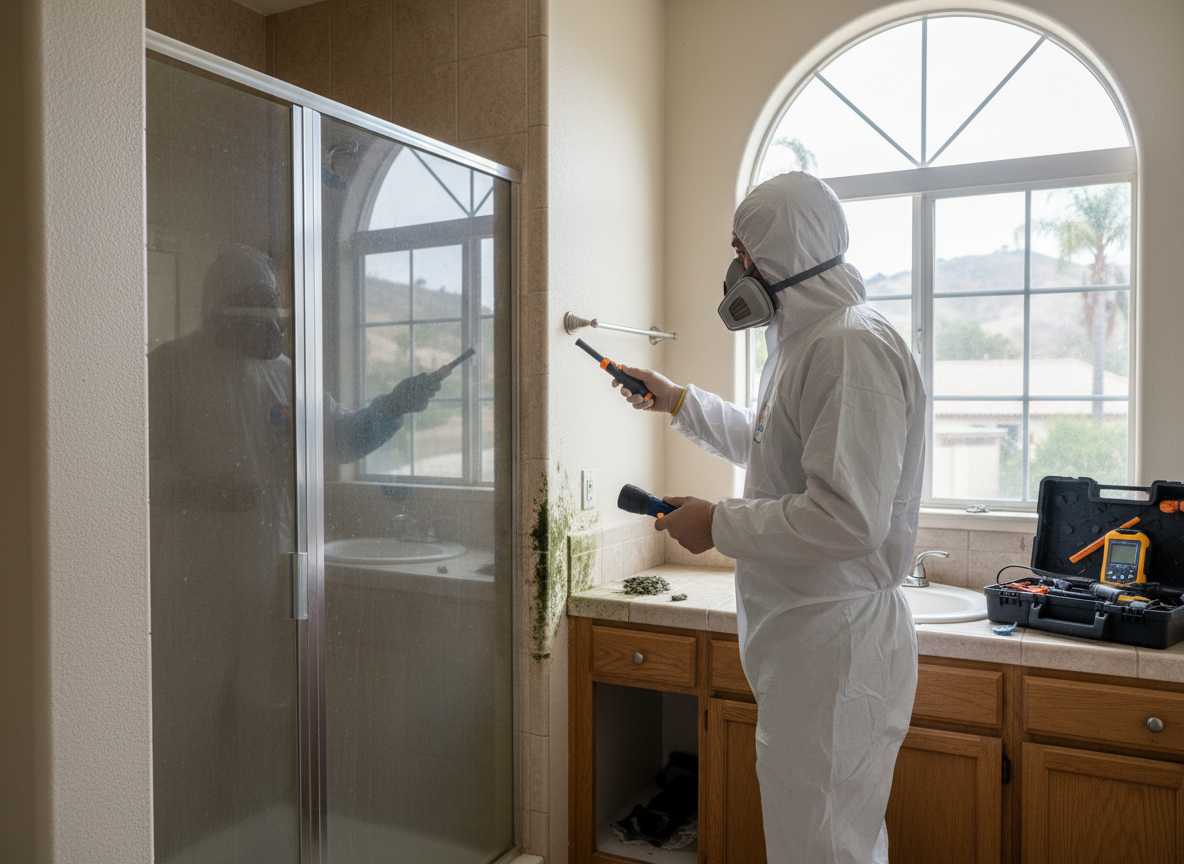
Start by examining Mira Loma bathrooms monthly during peak summer months when temperatures climb above 100 degrees and air conditioning runs constantly. Focus first on visible discoloration along grout lines, baseboards, and around shower doors where steam lingers. Check for musty smells that persist after ventilation, especially in homes near Mira Loma Park where older construction often lacks modern vapor barriers.
Inspecting Shower Enclosures and Grout Lines
Begin at the shower floor and work upward. Run your hand along tile joints to feel for soft or crumbling grout that signals trapped water. In Downtown Mira Loma homes built before 1990, ceramic tile often sits on moisture-prone drywall rather than cement board, allowing leaks to spread behind the surface. Look for black or pink staining at the corners where two walls meet and at the tub-shower transition. Press gently on caulk beads around the tub; any give or gaps mean water reaches the subfloor. These same patterns appear in nearby Jurupa Valley properties with similar age and construction. Document each spot with photos and note the date so you can track whether spots grow after the next hot spell.
Checking Exhaust Fans and Ventilation
Stand under the fan while it runs and hold a piece of tissue against the grille. Strong suction pulls the tissue upward within two seconds. Weak airflow in Mira Loma’s dry heat allows humidity to remain after showers, feeding growth on ceilings and walls. Remove the grille cover every six months and vacuum dust from the blades and housing. In Eastvale and Ontario homes, builders sometimes vent fans into attics instead of outside, which pushes moist air into insulation. Trace the duct with a flashlight to confirm it exits the roof or exterior wall. Replace any fan that cannot clear steam within ten minutes after a five-minute shower.
Detecting Moisture Behind Walls and Cabinets
Open vanity doors and shine a flashlight along the back wall and under the sink. Feel for dampness on the drywall or particleboard. In Riverside County bathrooms, leaking supply lines behind cabinets often stay hidden until wood swells. Use a moisture meter on the wall adjacent to the shower; readings above 15 percent indicate hidden water. Tap the wall with a screwdriver handle and listen for a dull thud instead of a crisp sound. Pay special attention to the area above the shower where steam rises and condenses on cooler exterior walls common in Wine Country neighborhoods.
Tools and Simple Tests for Hidden Growth
A handheld moisture meter and LED headlamp reveal issues a visual check misses. Spray a small amount of water on suspected grout and watch whether it beads or soaks in within thirty seconds. Persistent beading shows sealant failure. Run a dehumidifier in the bathroom for two hours and recheck surfaces; any remaining damp spots point to active leaks. Keep records of readings so you can compare conditions before and after summer heat increases air-conditioning use.
Knowing When to Schedule Professional Inspection
If discoloration returns within two weeks after cleaning, odors remain after ventilation improves, or moisture meter readings stay elevated, contact a mold inspection specialist. Homes in older sections of Mira Loma often require targeted testing behind tile before any bathroom mold removal service begins. Review the article Signs Of Hidden Mold In Older Mira Loma Foundations for related guidance on extending checks beyond bathrooms. Our team at 12483 Limonite Ave remains available 24/7 to answer questions about findings.